When a steer tire starts throwing cords on I‑80 at 3 a.m., nobody wants to hear the phrase, “We’ll tow you to the shop.” A full‑size wrecker burns time and money, and the clock does not pause for Hours of Service, perishables, or a waiting receiver. Mobile truck tire service exists to bridge that gap. The right tech can meet you on the shoulder or in a lot, diagnose the issue, and get you rolling safely without a tow. Done right, it’s not just convenient, it is often the most economical and risk‑aware decision you can make for your truck, your freight, and your schedule.

This is a field built on practical judgment. The technician’s van or service truck is a rolling shop: compressors, jacks, torque wrenches, bead breakers, patch kits, impact guns, safety stands, and inventory of common commercial truck tires. The work looks simple from a distance, but the details determine whether you limp to the next scale house or finish your route on time.
Why mobile tire service beats the hook
A tow eats into margins. Even a short 15‑mile hook for a tractor and trailer can run several hundred dollars, not counting lost time and the inevitable secondary handling. Meanwhile, most tire failures do not require a bay or lift. A trained tech can replace a blown trailer dual on the shoulder, patch a repairable nail puncture in a drive tire at a rest area, or swap a steer tire at a nearby exit with enough room to stage safely.
There is also damage risk with tows. Dragging a tandem up onto dollies can stress airlines, splash guards, and mudflaps. In freezing weather, frozen brake shoes can stick to drums and get damaged when moved. If your problem begins and ends with rubber, it usually makes sense to bring the shop to the truck. Search traffic for “semi truck tire repair near me” spikes during weather swings and peak freight weeks for a reason. Fleets and owner‑operators know the math.
What a mobile tire truck actually carries
Drivers who have never watched the process often picture a guy with a floor jack and an air hose. The modern service unit is more capable. Expect onboard air with enough capacity to seat a stubborn bead, torque‑controlled impact tools, hydraulic jacks rated for tractor loads, cribbing, jack stands, cages for safe inflation of loose assemblies, and lighting for night work. In the better rigs, you will see dynamic balancers, plug‑patch kits meeting RMA standards, and a range of 22.5 and 24.5 commercial truck tires in common sizes and load ratings. Some carry 19.5 for medium‑duty box trucks, plus oddballs like super singles if they serve fleets that spec them.
The inventory mix matters. A shop that works the interstate corridor usually stocks highway tread for steers and drives, some open shoulder drive tread for regional work, and a handful of trailer ribs that are price‑friendly, since many carriers will not put premium rubber on a trailer position that sees scrapes and yard abuse. If your fleet runs 295/75R22.5 on drives and 11R22.5 on trailers, say so when you call. A good dispatcher will confirm size, load range, brand preference, and whether you want repair first or straight replacement.
Repair, replace, or relocate: choosing the right path
Mobile tire service is not a magic wand. The decision boils down to safety, speed, and cost, and the right answer changes with the failure.
- Repair on the truck: Nail or screw punctures in the crown of a drive or trailer tire can often be plug‑patched from the inside. The tech demounts the tire, inspects the inner liner for secondary damage, reams, cements, installs a combination plug‑patch that seals the injury and the inner liner, then remounts and inflates. Roadside patch only, without an internal patch, is not an acceptable permanent fix for commercial tires. Replace at once: Sidewall bulges, zipper ruptures, fabric separations, or any injury in the shoulder or sidewall demand replacement. So do run‑flat situations where the casing got smoked. You can sometimes save the wheel, but not the rubber. Steer tire failures especially call for quick replacement. No tech wants to put a “maybe” on a front axle and send you into traffic. Relocate and replace: If you blow a trailer outer dual and the inner still holds, some fleets will have the tech move a decent drive tire back to the trailer position and install the new tire on the drive. That keeps premium rubber on powered axles and puts fresh but mid‑tier rubber on a free‑rolling position. It takes longer roadside, but it aligns with tire programs built around cost per mile.
The judgment call gets trickiest with retreads and super singles. Quality retreads on drives and trailers perform well under normal conditions, but if a cap tears and exposes belts, there is nothing to salvage roadside. Super singles complicate matters because you have no companion tire to carry the load. A failure parks you immediately, and the mobile truck tire service must arrive with the exact tire and, ideally, a spare rim in case the wheel took damage.
What to do when a tire fails
Safety comes first, then clear information. If the failure is a catastrophic blowout, hold the steering wheel firmly, lift off the throttle, and let the truck scrub speed gradually before braking. Once safe, pull well off the travel lanes. Shoulders break down near bridges and guardrails, so look for an exit, a ramp triangle, or a wide turnout if you can do so without rolling on the damaged tire. Set triangles, chock as needed, and avoid crawling between duals unless the truck is secure.
When you call for truck tire service, a concise briefing saves time:
- Your location, as precisely as possible, including direction of travel and nearest mile marker or exit. Truck configuration: tractor‑trailer, straight truck, or specialty unit. Tire position and size: steer left, drive axle 2 outer right, trailer axle 1 inner left, 295/75R22.5, etc. Symptoms: cut sidewall, lost tread, slow leak near crown, bead damage from curb strike, vibration above 50 mph. Your preferences: repair if possible, specific brands, or budget constraints.
That last point is not about upselling. It is about matching the solution to your operation. A time‑critical refrigerated load landing at 7 a.m. may justify a premium tire with proven casing life. A return‑empty trip from a drop yard might call for a serviceable midrange tire to get home.
The hidden costs of limping on a bad tire
Drivers sometimes try to baby a failing tire to the next exit. The cost can balloon. A deflating dual puts all the weight on its mate. That “good” tire overheats, the casing fatigues, and now you are buying two. Run‑flat on a steer for even a quarter mile and the wheel can dig into asphalt or get damaged at the bead seat. Wheels run hot during a blowout can crack paint and rust later. Air line and ABS wiring near a flailing tread can snag and tear. Those secondary repairs cost much more than a timely truck tire change.
For fleets tracking tire expense, the numbers get stark. A single roadside trailer tire replacement might run 500 to 900 dollars depending on brand and market. Add a damaged mudflap bracket, ABS sensor, or body panel, and the bill doubles. And that is before detention fees.
Understanding roadside pricing and what you are paying for
Road service pricing has more moving parts than a basic in‑shop ticket. There is usually a dispatch or call‑out fee, mileage to your location, labor rate that varies by time of day, and the tire itself. Some providers include mounting and balancing within labor, others line‑item. Expect premiums after hours or during weather events. Good shops quote ranges up front and explain variables: casing credit if you supply a retreadable carcass, brand options, and whether your fleet has national account pricing with major manufacturers.
The phrase “semi truck tire repair near me” often surfaces when drivers are stranded, which can invite opportunistic pricing by lesser outfits. Ask for brand, date codes, and whether the technician is TIA certified. If the dispatcher hems and haws about those basic questions, call another number.
When repair is right and when it is not
The Tire Industry Association and major manufacturers set repair standards that do not always align with roadside reality. A proper repair means an internal inspection and a combination plug‑patch installed per spec. External string plugs are emergency stopgaps, not permanent fixes. On the shoulder with fast traffic inches away, the tech might add just enough air to limp to the next exit where a full demount and internal repair can happen safely. That is not a corner cut. It is a safety judgment.
Steer tires have stricter rules. Crown punctures within a certain area can be repaired once, but many fleets prohibit any repair on steers for liability reasons. Drives and trailers are more forgiving, but sidewall and shoulder injuries remain no‑go. If a tech suggests repairing a sidewall split, find a different provider.
Choosing the right replacement tire by position and duty
Not all commercial truck tires are created equal, and position matters more than logos. On steers, you buy stability, consistency in wet and snow, and even wear that preserves alignment feedback. A good steer can run 100,000 to 150,000 miles with rotations and correct inflation. Drives trade some smoothness for traction. Tread depth and siping patterns decide how well the truck moves in slush and on job sites. Trailers need durable, scrub‑resistant ribs that handle tight turns in yards without tearing shoulders.
Your mobile tech may offer several price tiers: a premium new tire, a quality second‑tier brand from the same parent company, and a retread option for drive or trailer. If you are making a one‑off decision roadside, lean toward a brand that your home shop can retread or match later. A single oddball casing in your yard complicates your tire program.
Avoiding repeat failures with better inspection habits
Most blowouts were visible early. They hide in plain sight as irregular wear, exposed steel on a shoulder, wavy sidewalls, or a missing valve cap that lets grime into the core. Inflation matters more than any other factor. Underinflation by 10 psi on a 110‑psi tire can cut casing life dramatically. A tire will run hot long before it looks flat. Heat kills bonds in the casing and invites zipper ruptures after re‑inflation.
Drivers who adopt a simple routine before rolling catch most problems. A quick thump test finds a dead dual, but a gauge is better. Listen for air around valve stems, especially rubber stems on aluminum wheels where heat cycles loosen collars. Put your hand an inch from a sidewall after a long grade and feel for hot spots. If you exit with a hot rubber smell, do a walkaround immediately. Many mobile calls start with “I heard a slap and then saw smoke in the mirror.” That slap is the tread letting go.
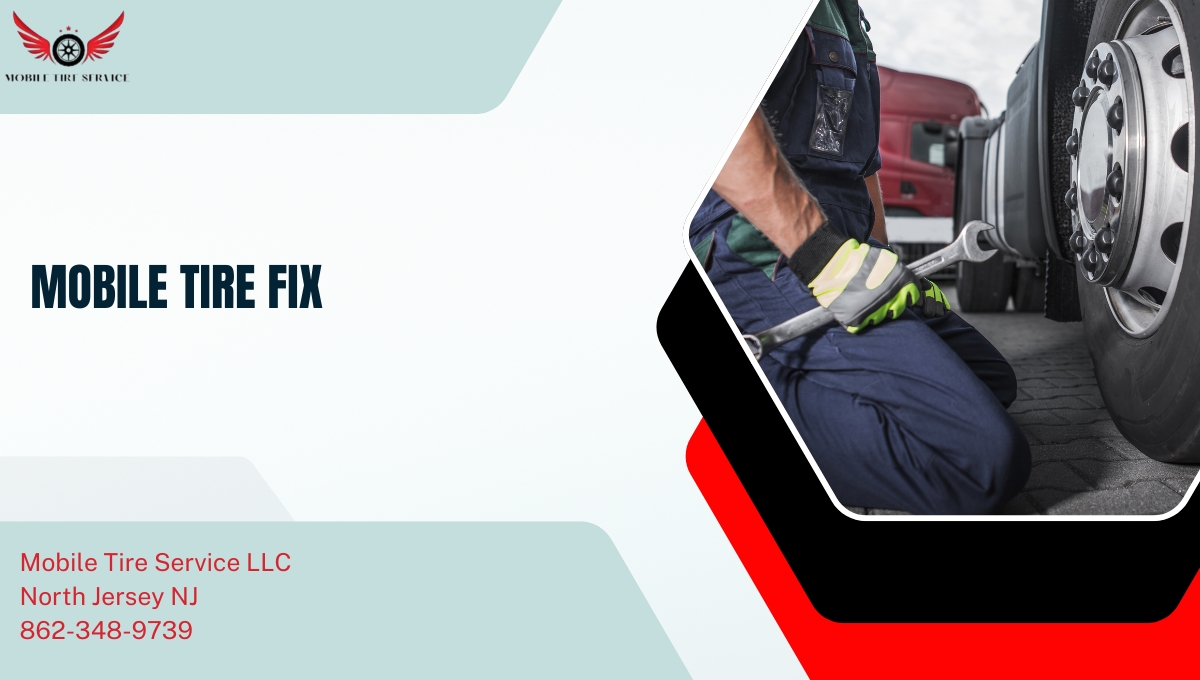
The role of season and geography
Winter is cruel to rubber. Cold lowers pressure, which raises flex and heat once you roll. That paradox produces failures just outside a cold snap. Chains and sharp ice pack can cut sidewalls and shoulders. Summer does the opposite: high ambient heat plus heavy loads exposes weak casings. In mountain corridors, brake heat migrates into wheels and warms beads. On hot days in the Southwest, parking on fresh tar can stick tread and tear rubber when you pull out.
Geography also affects inventory. A mobile outfit in oilfield country stocks deeper lug drives and 11R24.5 sizes. A metro service truck in the Northeast carries low‑pro 22.5 and trailer ribs for city work. If Mobile Tire Service truck tire repair your route crosses zones, your dispatcher should know which shops along the way can support your sizes.
How to vet a mobile provider ahead of time
If you run a fleet, build relationships before you need them. Ask your regional manager to identify reliable providers near your most common lanes. Check whether they honor national accounts with your chosen manufacturers. Confirm insurance, TIA certification, and response time averages. Ask about coverage radius and typical after‑hours fees. Keep their numbers in driver dispatch macros or ELD shortcuts so that “truck tire repair” calls do not devolve into a scavenger hunt.
Owner‑operators can do a scaled‑down version. Save contacts for two or three reliable shops along your regular runs. Read a handful of recent reviews for response time and honesty. A shop that explains why repair is unsafe and sells you a midrange replacement is better than a shop that says yes to anything.
What a professional roadside service call looks like
A clean, methodical process is a good sign. The tech parks to protect the work zone and sets cones or triangles. They verify size and position, assess whether the job can happen safely on the shoulder or needs relocation to the next exit, then crib and jack the axle correctly. Nose of the truck on soft gravel? They lay boards. After demount, they inspect bead seats for cracks, clean rust, and wire brush the wheel if needed. If they are patching, they mark and buff the injury area to the right diameter, apply cement, install the patch, and heat cure if the product demands it. They lube sparingly, seat beads with controlled air, and use a clip‑on chuck and remote valve while inflating loose assemblies inside a cage.
Torque matters. Over‑torqued studs stretch and fail later. Under‑torqued nuts back off and oval the holes. A seasoned tech uses a calibrated torque wrench and marks nuts. Finally, they set inflation to the fleet spec, not just “looks good.” On 11R22.5, 100 to 110 psi is common, but heavy front axles or vocational loads can call for more. They document DOT numbers, date codes, and repair details for your records.
Balancing and alignment considerations when work happens roadside
Not every roadside replacement will be balanced. Many fleets skip balancing drives and trailers entirely and only balance steers. If a steer goes on roadside without balance, plan a follow‑up at a shop. An imbalance shows up as a shake in the wheel at speed or a cupped wear pattern over time. Alignment issues often masquerade as tire issues. If you chew a steer shoulder twice in a row, the problem lives in camber, caster, toe, or worn components. Mobile techs can spot clues but cannot align you on the shoulder. Schedule an alignment check after new steers go on, especially if you had uneven wear before.
Retreads on the road: where they shine and where they do not
The debate over retreads cooled years ago in properly managed fleets. Retreads on drives and trailers reduce cost per mile, and modern bonding processes are reliable. They are not steers, and they do not mix well with neglected inflation. If a retread fails, it is usually due to heat from underinflation or an old injury in the casing. Roadside, the decision is straightforward: if the cap separated, replace. If the damage is a simple crown puncture, a quality repair keeps that casing in service.
If you prefer to keep a tight casing program, ask your mobile provider to return your old casing for credit or repair evaluation. They can tag and hold it for your retreader. A lot of money hides in those decisions across a year.
When a tow actually makes sense
There are times a hook is the safest choice. If you are stopped in a tight lane with no shoulder and heavy traffic, working the tire is dangerous. If the wheel is bent or the hub shows heat damage from a brake fire, you need a shop. Multi‑tire damage with suspension issues after a curb strike is not a roadside job. Weather can also tip the scale. In driving ice or lightning, moving to a safe location matters more than speed.
A good mobile tech will tell you this without drama. That honesty is worth returning to them next time you need a truck tire change.
The difference a few minutes of prevention can make
Walkarounds save breakdowns. On a weekly cycle, check torque on recently serviced wheels, especially aluminum with steel studs that settle after heat cycles. Replace cracked or missing valve caps and consider metal valve stems on positions prone to heat. Keep a small spray bottle of soapy water to spot slow leaks around stems and bead seats. If you run heavy, aim for the upper end of your tire’s recommended inflation. Tempting as it is to bleed off pressure when tires look “swollen” in summer heat, do not. Hot pressure reading is not your set point; cold inflation dictates structural support.
Finding the right help fast
When trouble hits, the last thing you want is a search rabbit hole. Keep a short list of trusted contacts, but if you are in unfamiliar territory, search for terms you would use on a normal day: truck tire repair, truck tire service, or even commercial truck tires plus the nearest city. “Semi truck tire repair near me” will surface many results, but prioritize providers that publish 24/7 response, list actual inventory, and show photos of their service trucks and technicians. The outfits that invest in their crews usually show it.
If you are working through a fleet’s road assist, share the essential details calmly. Dispatchers reward clear communication with faster solutions. If you are alone and the first provider is vague on timing, make a second call immediately. It’s cheaper to cancel a truck that is 45 minutes away than to wait three hours for a no‑show while your receiver charges detention.
A brief guide to fair expectations
A realistic picture helps everyone. On a major interstate near a metro area, a competent mobile unit often arrives within 45 to 90 minutes in normal conditions. Rural routes can push that to two hours or more. On scene, a replace‑and‑go trailer tire can be done in 30 to 45 minutes if all goes smoothly. Steer changes take longer because of safety setup and torque checks. Complex repairs or multiple tires stretch the timeline. Weather, traffic, and the exact parking situation matter more than any single factor.
The invoice should reflect what happened: dispatch fee, mileage or zone, labor time, tire product with DOT and date code, consumables, and any disposal or casing charges. Keep that paperwork. Patterns in your breakdowns will appear when you have six months of data.
Where mobile service fits in a broader maintenance plan
Roadside work is triage. You still need a steady maintenance rhythm at home. Set interval inspections for suspension bushings, shocks, and wheel bearings, because bad components chew tires. This links directly with your mobile experience. If you call for roadside help twice in a month for similar issues, your baseline maintenance is off. Use these events as signals, not just expenses.
Fleets that track cost per mile end up with tire categories: premium steers with strict rotation and inspection; retread drives with clear casing history; solid but budget‑friendly trailer ribs. Mobile service plugs gaps, not sets strategy. Share your strategy with your mobile partners. It pays off when the tech on the shoulder knows whether to repair a borderline drive or swap it and save the casing for retread.
The bottom line
Mobile truck tire service exists to cut downtime, reduce collateral damage, and protect your schedule without paying for a tow you do not need. Behind the scenes, it is a craft built on safe staging, solid tools, and thousands of small decisions that add up to reliability. If you prepare with good inspection habits, keep clear records, and build relationships with honest providers, your next roadside tire problem will be a story about a short delay instead of a missed delivery and a wrecked budget.
Contact Us
Mobile Tire Service LLC
Address: North Jersey NJ, USA
Phone: 862-348-9739